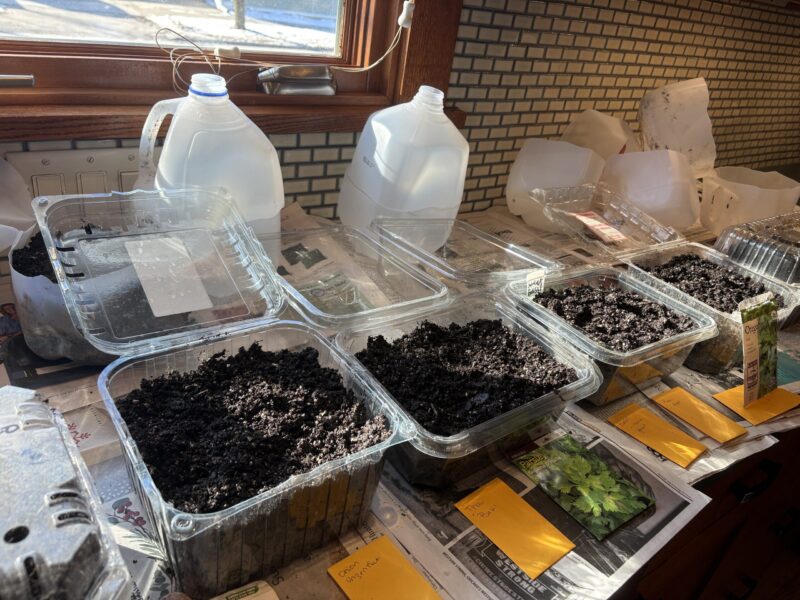
Winter sowing is a simple, low-maintenance way to start seeds outdoors during winter using recycled containers as mini greenhouses. Inspired by our recent lecture on sowing seeds, I spent last Saturday morning winter sowing seeds with a friend.
It was too cold to do it in the garage like we did last year, so the operation moved into the kitchen. We’ve been winter sowing for three years, and this was our most productive season yet, with 46 containers planted.
Supplies
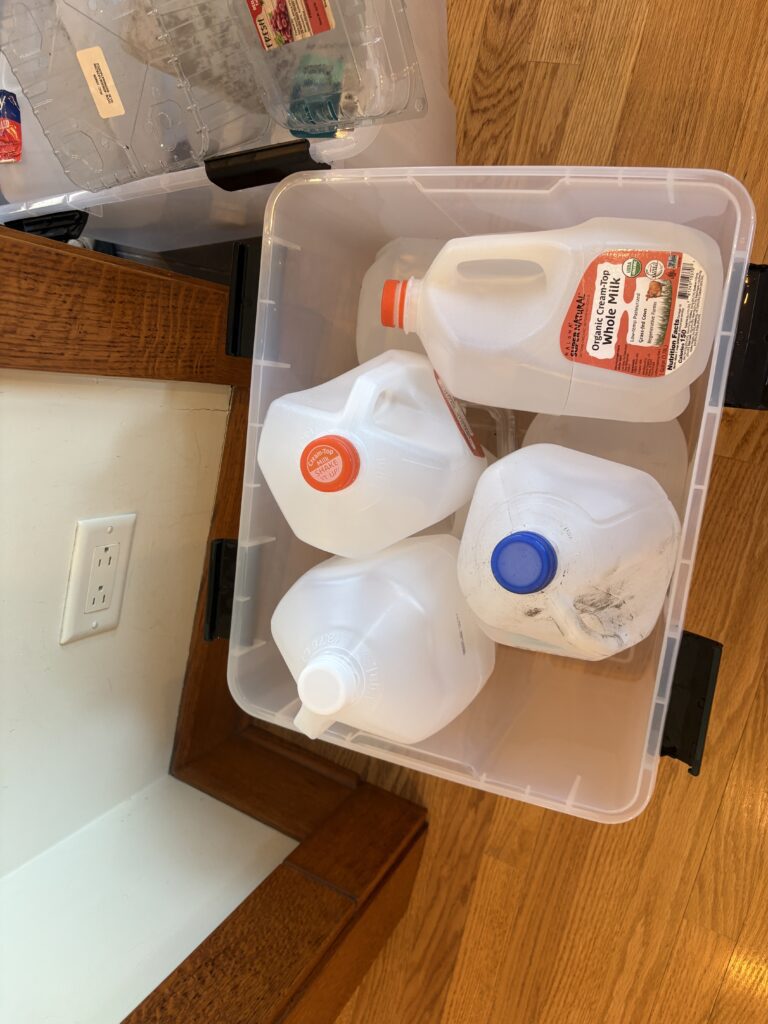
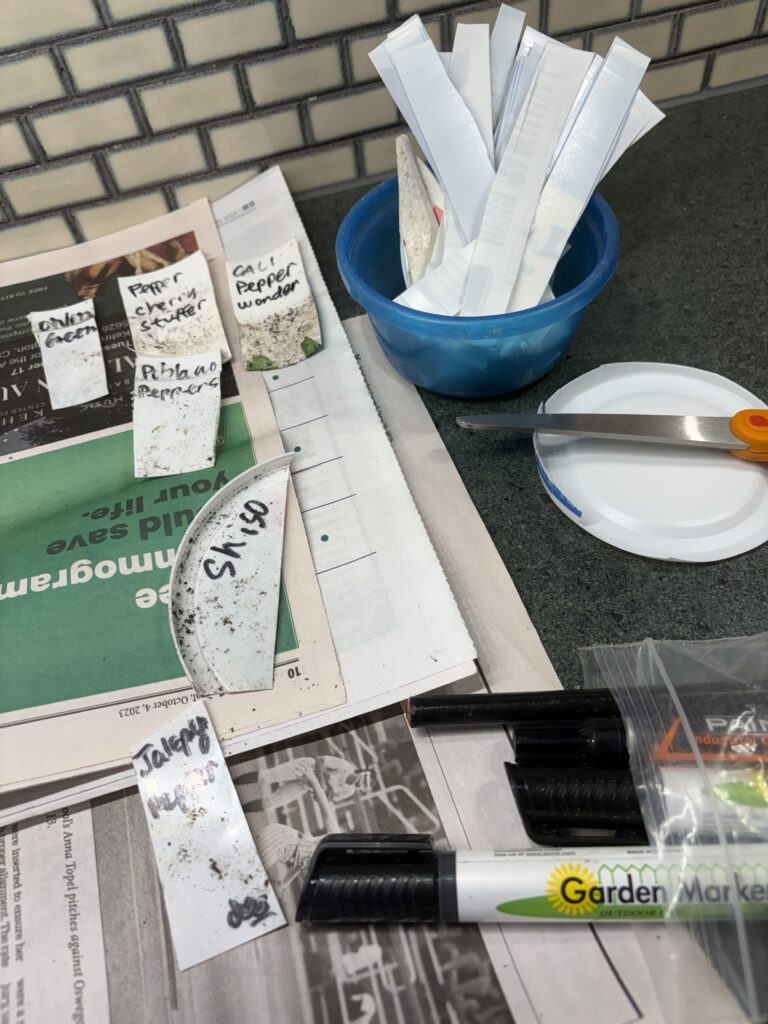
The process begins with saving many translucent gallon-sized water bottles and milk jugs. We also saved large-sized salad containers and large clamshell containers that were at least 4” deep. The clamshells are our favorite vessels for winter sowing as they do not require hole punching or being taped closed. We use a waterproof garden marker to label the containers inside and out. We had blue painters’ tape ready to seal the jugs once everything was planted.
Preparing Containers
The gallon jugs need to be carefully cut almost in half, leaving a hinge at the handle. Then they need holes punched into the bottom to allow for drainage. I use a box cutter to slice the plastic jug in half. I use a metal skewer to poke holes in the bottom. All of this prep is done in advance of planting day.
Soil Preparation
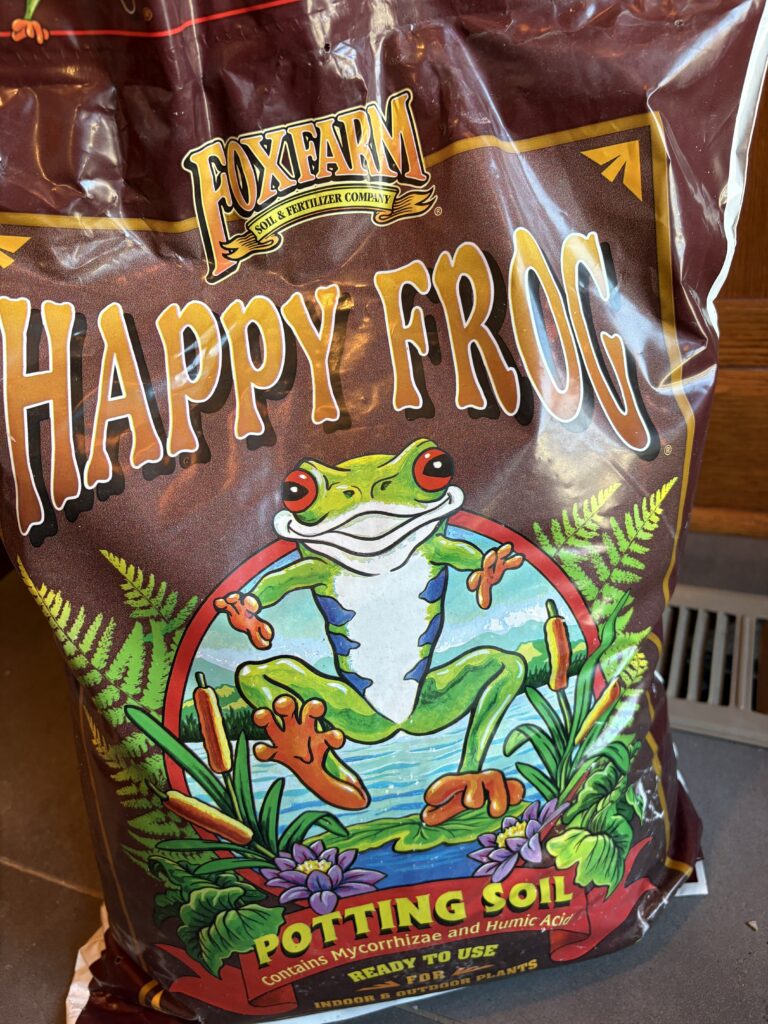
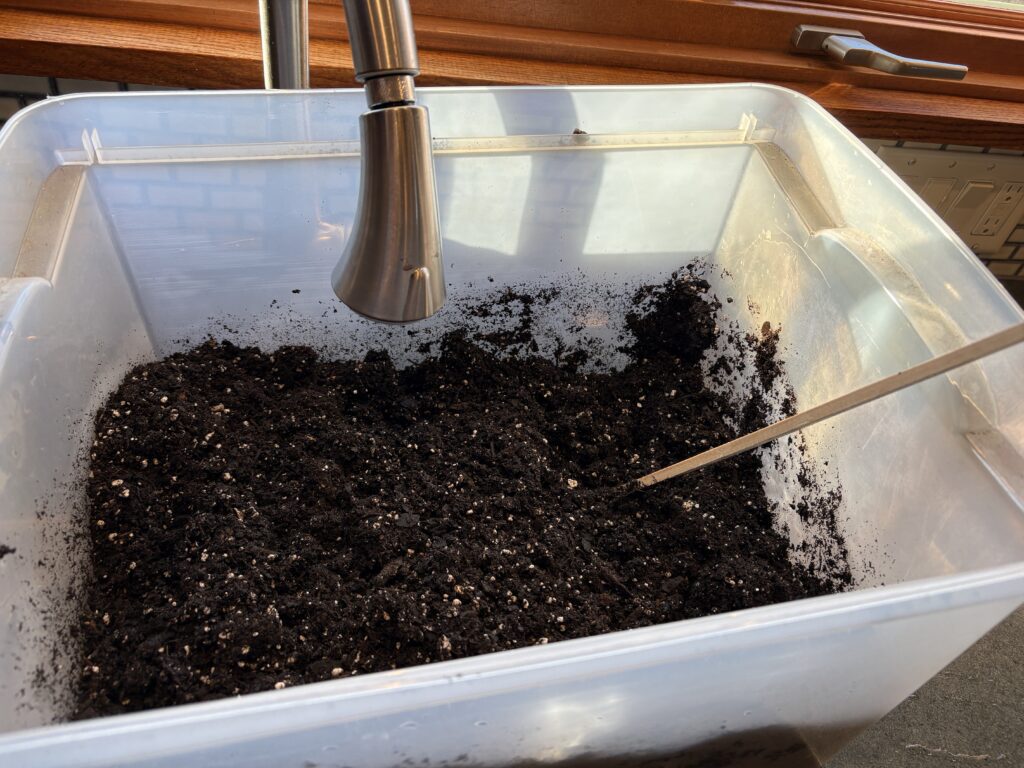
We picked up good-quality potting soil from FOPCON partners Good Earth Greenhouse and Seguin Gardens to take advantage of our 10% discount for being members of The Friends. The morning of planting, we poured the potting soil into a plastic bin, added water, and mixed until the soil was fully moist.
Seed Selection
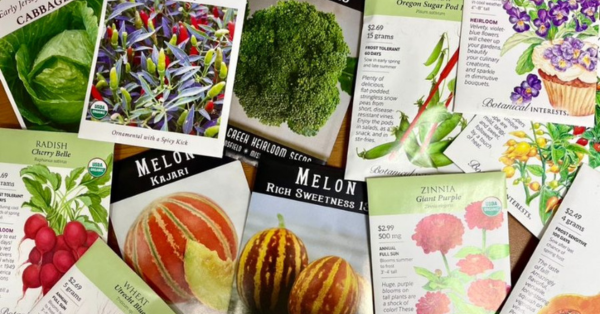
Our seeds came from the recent Seed Swap at the Oak Park Conservatory, plus seeds we saved from last season. In addition, I gathered seed heads from my native plants and cleaned and labeled them. All seeds were stored in a cool, dry place in the garage.
Planting Day
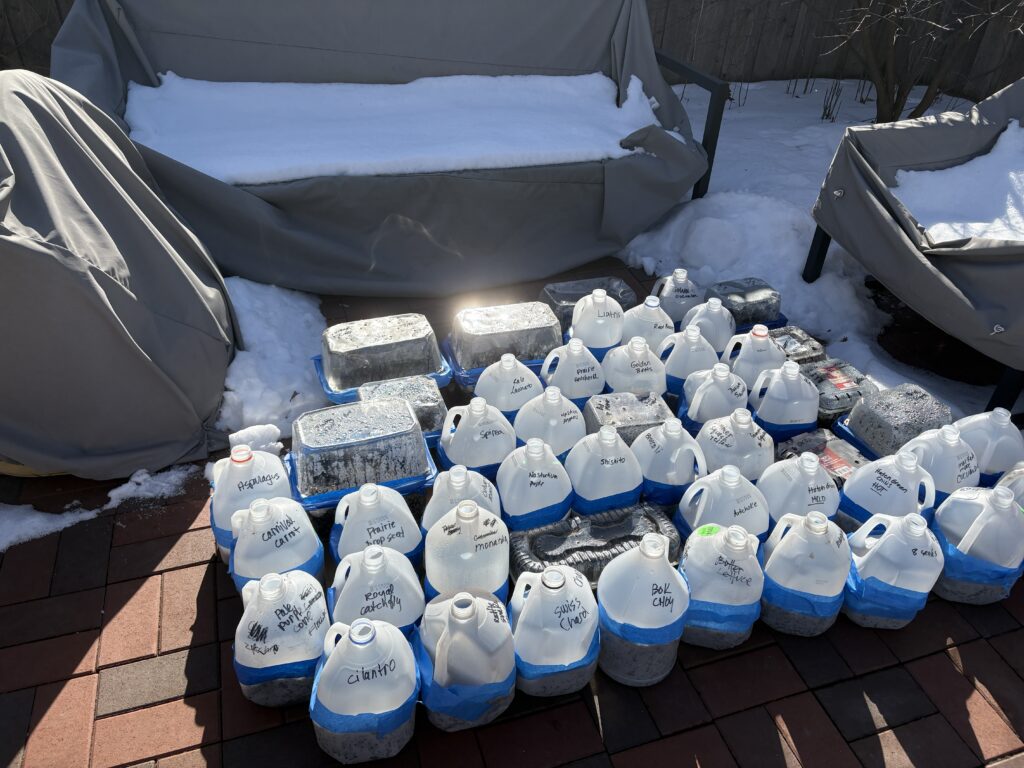
Once all of the supplies were on hand, we set up an assembly line. First, the soil goes in 4” deep, then the seeds are sprinkled on top, then the labels get tucked in, and then we seal the jugs. All of the containers are then moved outdoors onto the patio to settle into their makeshift greenhouses, where snow and rain provide natural moisture and temperature fluctuations.
Waiting for Germination
The seeds germinate when they are ready sometime in the spring. We check the containers to make sure they have some moisture and access to sunlight. Once the seedlings are about 2” tall, we can move the plants into the garden. No hardening off is required.
What We Planted
We planted a wide variety of vegetables, from artichokes to broccoli, lettuces to peppers, tomatoes to onions, herbs, and more. We planted natives such as pale purple cone flower, prairie huechera, spirea, monarda, rattlesnake master, and royal catchfly. Now we wait and see what comes up in the spring—one of the most rewarding parts of winter sowing.
Judy Klem,
Executive Director
As you get started with winter sowing, mark your calendar for the 37th annual Plant Sale this year. It’s a great opportunity to add annuals and new edible plants to the ones you’ve grown from seed. FOPCON members get two weeks early shopping.
For more information about Plant Sale 2026, click here.